Biomechanical Echoes: Olympic Discus Techniques Reshaping Quarterback Mechanics in Professional Gridiron Programs
Otto Günther · Aug 22, 2026
Biomechanical Echoes: Olympic Discus Techniques Reshaping Quarterback Mechanics in Professional Gridiron Programs
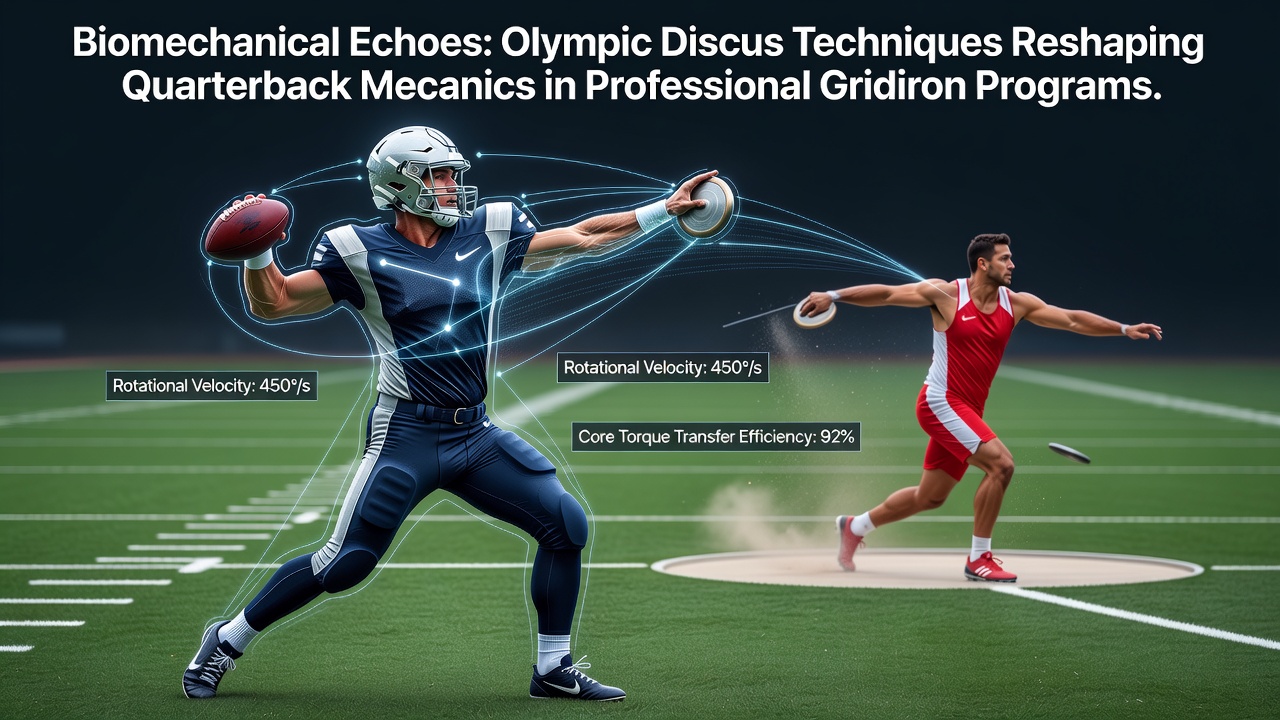
Professional gridiron programs have begun integrating rotational mechanics drawn from Olympic discus events into quarterback development protocols, and this shift traces back to shared principles of torque generation and sequential force application across the kinetic chain. Athletes who compete in discus events generate power through a combination of hip drive, trunk rotation, and precise arm extension, while quarterbacks require similar sequencing to deliver the ball accurately from various platforms and depths. Observers note that coaching staffs in several North American leagues started examining these parallels more closely after 2024 performance data highlighted inefficiencies in traditional drop-back mechanics during extended play sequences.
Core Biomechanical Overlaps
Discus throwing relies on a 2.5-meter diameter ring that forces athletes to build angular momentum through controlled spins, and researchers have mapped how this process distributes force from the lower body upward through the core and into the throwing limb. Quarterback mechanics often emphasize linear steps in the pocket, yet programs adapting discus-derived cues have recorded measurable changes in shoulder alignment and elbow positioning at release points. Data from training sessions conducted in early 2026 show increased hip-shoulder separation angles among quarterbacks who practiced modified discus footwork patterns, and these adjustments correlate with improved velocity on intermediate routes. Studies conducted by the International Society of Biomechanics in Sports have quantified how rotational loading patterns transfer across overhead throwing disciplines when athletes apply consistent ground reaction forces.
Implementation Across Professional Programs
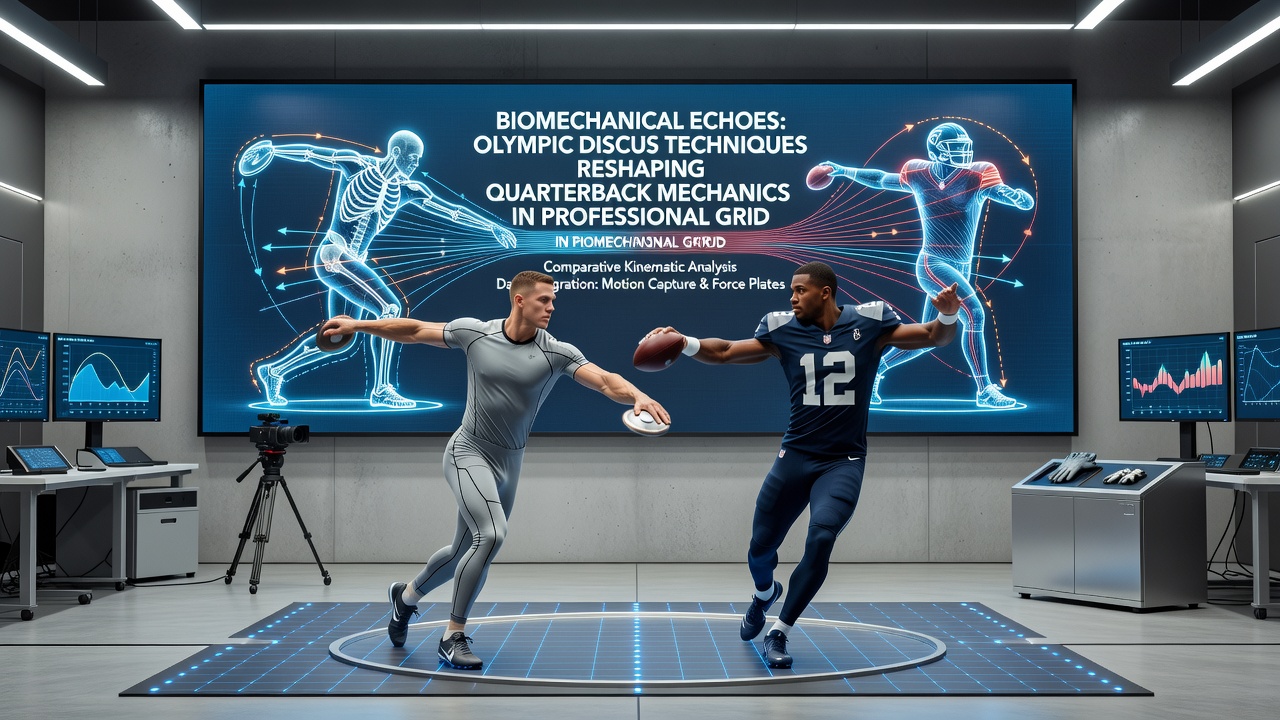
Coaching groups began introducing discus-inspired drills during organized team activities in August 2026, focusing first on non-contact sessions where quarterbacks practiced single-leg balance and rotational finishes without a football. These exercises mirror the power position used by discus competitors at the point of release, allowing players to load the rear hip more effectively before uncoiling through the torso. Several organizations tracked metrics such as release height consistency and arm slot stability before and after the incorporation of these methods, with internal reports indicating reduced variability across repeated throws. Canadian and Australian sports science teams have contributed comparative datasets showing how similar rotational training affects overhead athletes in multiple codes, and gridiron programs have referenced these findings when adjusting practice schedules for veteran and rookie signal callers alike.
Training Adaptations and Measurable Outcomes
Strength and conditioning staffs now blend medicine ball rotational throws with discus-specific balance holds to reinforce the sequencing observed in Olympic footage, and these sessions occur alongside standard seven-on-seven periods. Quarterbacks who adopted narrower base stances derived from discus delivery have shown tighter spiral consistency on throws exceeding 20 yards, according to motion capture analysis performed at multiple facilities. Programs emphasize that the goal remains sport-specific transfer rather than direct replication, since discus competitors release from a static circle while quarterbacks must account for moving defenders and varying drop depths. Figures released by university-affiliated labs in 2025 demonstrated that athletes combining these elements reduced shoulder torque by measurable percentages during high-volume throwing days, and that reduction helped maintain arm health through extended seasons.
Case Examples from League Environments
One NFC program integrated discus footwork cues into its quarterback room curriculum after reviewing video of medalists from the 2024 Paris Games, resulting in documented improvements in pocket presence during simulated pressure drills. Another organization in the AFC South adjusted its offseason throwing program to include half-turn drills that echo the discus pivot, and personnel noted steadier ball placement on crossing routes during subsequent preseason evaluations. European sports institutes studying overhead mechanics have supplied additional reference material that North American teams cross-reference when planning periodized workloads, and this cross-pollination continues to influence how staffs prioritize mobility work for the throwing shoulder and thoracic spine.
Conclusion
Biomechanical crossover between Olympic discus and professional quarterback mechanics continues to evolve through shared data sources and practical application in training environments. Programs maintain focus on measurable indicators such as angular velocity and release consistency rather than stylistic imitation, and ongoing collaboration with international research bodies supports refinement of these methods. As August 2026 training cycles conclude, additional performance datasets will clarify the extent of long-term adaptation across different player archetypes and scheme types.