Coaching Crossover: Footwork Techniques from Boxing Rings Appearing in Tennis Courts Worldwide
Olivia Otto · May 28, 2026
Coaching Crossover: Footwork Techniques from Boxing Rings Appearing in Tennis Courts Worldwide
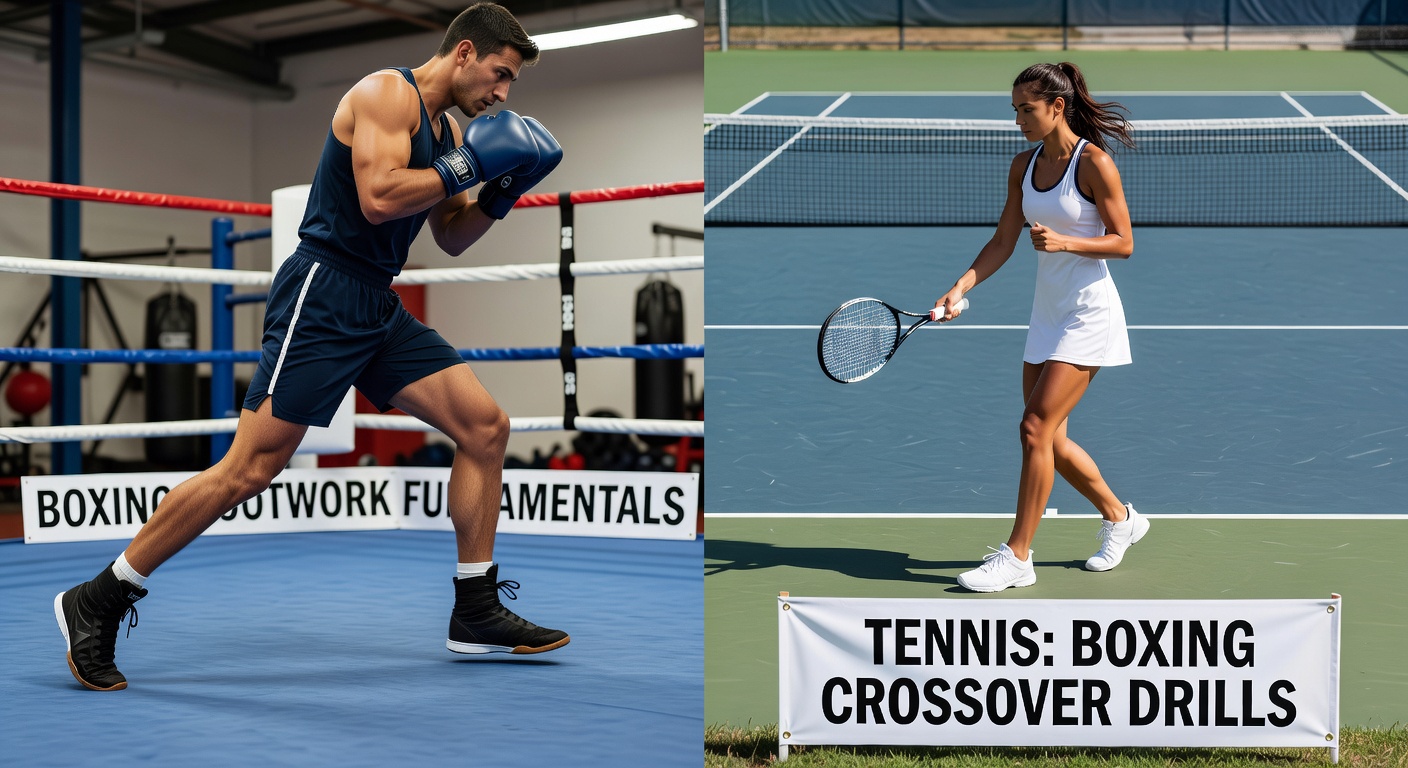
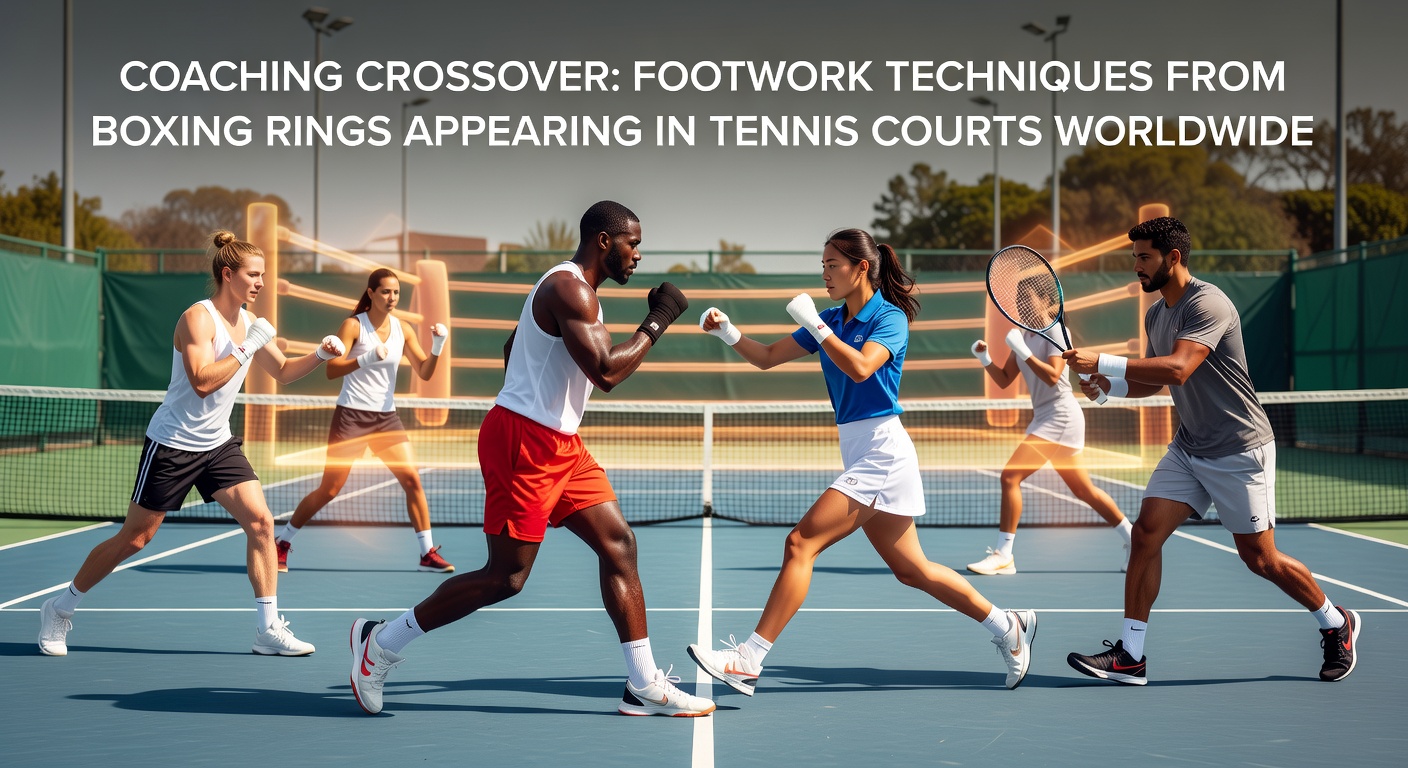
Coaches across multiple continents have started integrating boxing-derived movement patterns into tennis preparation programs, and the shift shows up most clearly in how players handle split-step timing plus rapid directional changes during baseline rallies. Research from sports biomechanics labs indicates that boxing footwork emphasizes a low center of gravity with constant weight transfer between the balls of the feet, elements that translate directly when tennis athletes must cover wide angles on clay or hard courts while maintaining balance for their next shot. The core techniques borrowed include the boxing pivot step for turning the hips quickly, the lateral shuffle used to maintain defensive positioning, and the explosive forward press that mirrors a fighter closing distance. Tennis players who drill these movements report improved recovery after wide shots because the boxing approach trains continuous small adjustments rather than large lunges that can leave an athlete off-balance. Data collected by performance analysts at several European academies shows measurable gains in court coverage speed after eight-week cycles that mix traditional tennis agility ladders with boxing ring patterns.Origins of the Borrowed Movements
Boxing trainers have long relied on shadow boxing and mirror drills to develop precise foot placement without the need for heavy equipment, and those same principles now appear in tennis warm-up routines at facilities from Melbourne to Miami. Observers note that the emphasis on staying on the balls of the feet reduces the time spent flat-footed between points, a habit that previously cost players valuable fractions of a second when opponents hit sharp angles. Studies conducted at the Australian Institute of Sport documented how fighters maintain an athletic base that allows instant reaction in any direction, a quality tennis coaches began replicating after noticing similar demands during extended baseline exchanges.Implementation Across Professional and Junior Levels
Several ATP and WTA players have incorporated boxing coaches into their support teams during off-season blocks, particularly ahead of the European clay swing that demands repeated lateral recoveries. Junior academies in South America and Asia have adopted group classes where tennis athletes perform boxing-style circle drills around cones before transitioning to live hitting sessions. The approach helps young players develop the hip rotation needed for both defensive slides and offensive approach shots without overloading the knees through constant stopping and starting. What's interesting is how federations track these crossovers through shared coaching certification programs. In 2026 several national bodies updated their continuing education modules to include modules on combat-sport movement science, reflecting increased demand from club-level instructors who work with competitive juniors year-round. Figures from the International Tennis Federation reveal that participation in combined footwork workshops rose steadily between 2023 and 2025 across member nations.