Patterns in Championship Defenses Across Boxing and Their Parallels to Dominance in Soccer Leagues Worldwide
Gisela Walter · May 21, 2026
Patterns in Championship Defenses Across Boxing and Their Parallels to Dominance in Soccer Leagues Worldwide
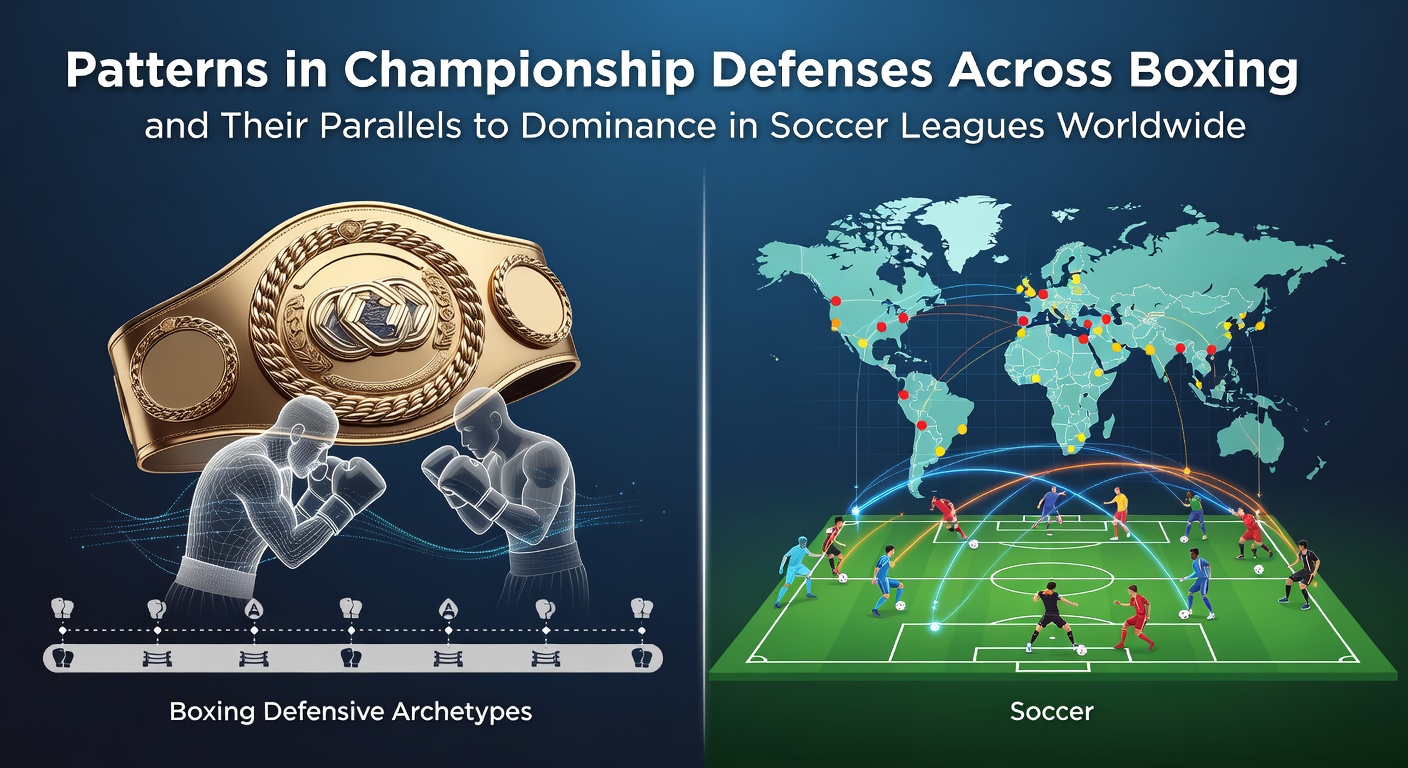
Championship defenses in boxing often follow recurring cycles where fighters establish long reigns through strategic preparation and opponent selection, while soccer leagues worldwide display similar patterns of sustained dominance by clubs that maintain defensive structures season after season. Data from major boxing sanctioning bodies shows that title holders who defend successfully more than five times typically employ specific training regimens focused on endurance and tactical adaptability, and these approaches mirror how certain soccer teams secure multiple league titles through consistent backline organization and midfield control.
Historical Patterns in Boxing Title Defenses
Boxing records reveal that champions from the 1980s onward frequently built extended reigns by facing carefully matched challengers at intervals of three to six months, allowing recovery time while accumulating defense counts that boosted market value. Observers note how fighters like those holding multiple belts across weight classes managed to avoid early career pitfalls through promoter negotiations that prioritized high-profile but winnable bouts, and this selection process created statistical surges in successful defenses during peak years. Research from athletic performance studies indicates that recovery protocols involving altitude training and specialized nutrition contributed to reduced injury rates, enabling longer stretches of activity before title changes occurred.
Parallels in Soccer League Dominance
Soccer leagues across Europe and South America exhibit comparable trends where a handful of clubs accumulate consecutive titles by refining defensive setups that limit opponents to fewer than one goal per game on average over multi-year periods. Figures from league archives demonstrate that teams maintaining high possession rates alongside compact defensive lines, such as those in the English Premier League or Spanish La Liga during the 2010s, often replicate the longevity seen in boxing reigns by rotating squad members to preserve fitness across grueling schedules. What's interesting is how these clubs adapt mid-season tactics based on data analytics, much like boxers adjust corner strategies during fights, leading to extended periods of control that push rival squads into reactive modes.
International athletics bodies have tracked how player acquisitions from emerging markets strengthen these dominant sides, creating parallels to boxing where champions import sparring partners from diverse regions to simulate varied fighting styles. In May 2026 several European leagues prepare for title-deciding fixtures that could extend or end current dominance cycles, with clubs relying on set-piece defenses that echo the guard positioning boxers use to neutralize power punches.
Statistical Comparisons Across Both Sports
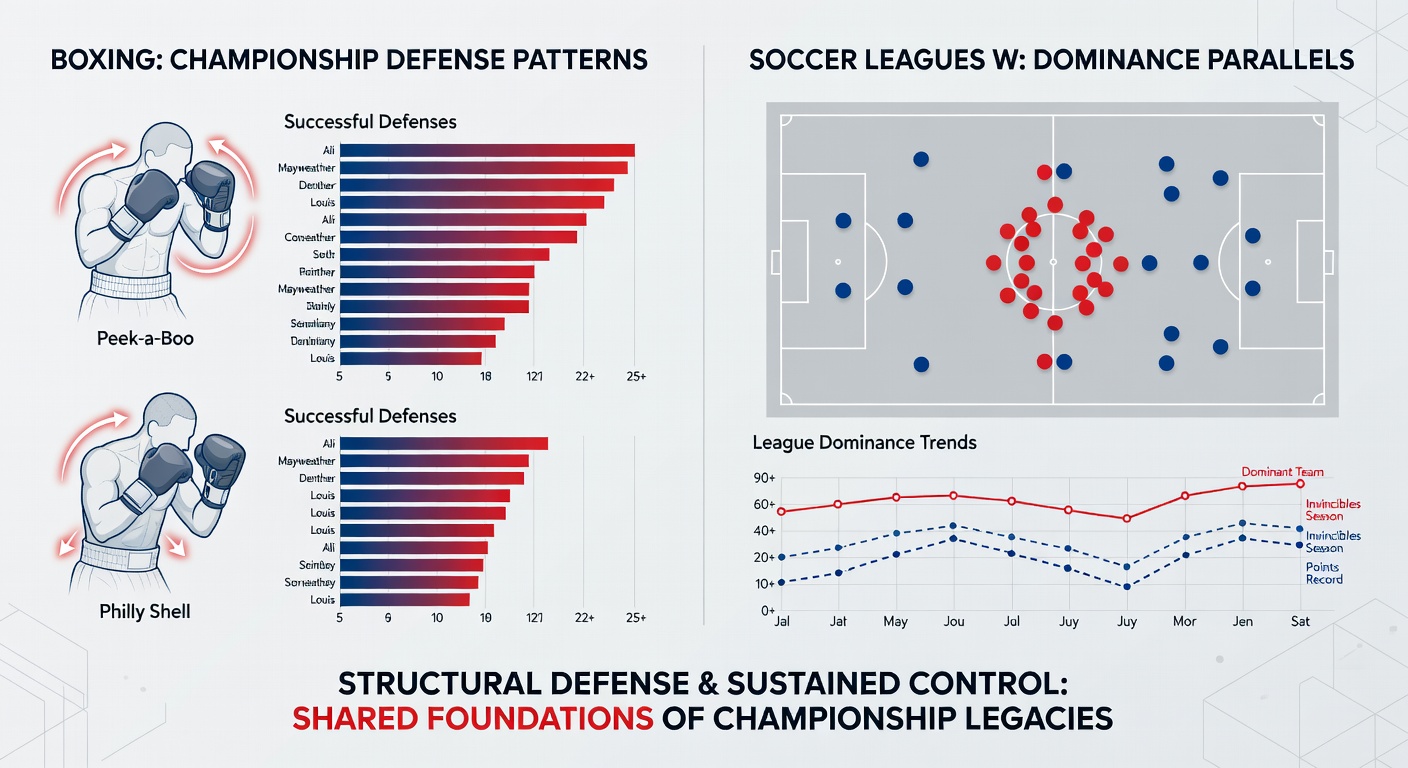
Comparative analyses from sports research institutions highlight overlapping metrics where boxing defense frequency correlates with win percentages above 85 percent over ten-year spans, and similar thresholds appear in soccer when clubs post clean sheet rates exceeding 40 percent in domestic competitions. Those who've examined career trajectories point out that boxers who transition into coaching roles often apply ring-tested defensive principles to team sports strategies, while soccer analysts incorporate fight footage into scouting reports for midfield enforcers who mirror punch-resistant postures. And data from Australian sports science centers further supports these links by showing shared physiological demands that favor athletes with superior core stability and reaction times in both disciplines.
Global Examples and Case Studies
One notable case involves South American soccer clubs that sustained league leadership through youth academy investments, producing defenders who anchor backlines for nearly a decade, which echoes boxing champions from the same regions who defended regional titles repeatedly before global recognition. European regulatory reports on athlete development reveal that structured scouting networks in both sports reduce turnover and foster environments where dominance compounds year after year. Turns out these patterns hold across continents because talent pipelines emphasize early specialization in defensive fundamentals rather than offensive flair alone.
Conclusion
Patterns observed in boxing championship defenses continue to find clear echoes in soccer league dominance worldwide through shared emphases on preparation, adaptation, and resource management that sustain success over time. As seasons progress into 2026 and beyond, these parallels offer frameworks for understanding how individual and team achievements maintain momentum across different athletic contexts.