Patterns of Success Transfer from Individual Combat Arenas to Collective Ball Games in European and North American Leagues
Carlo Powell · Jun 2, 2026
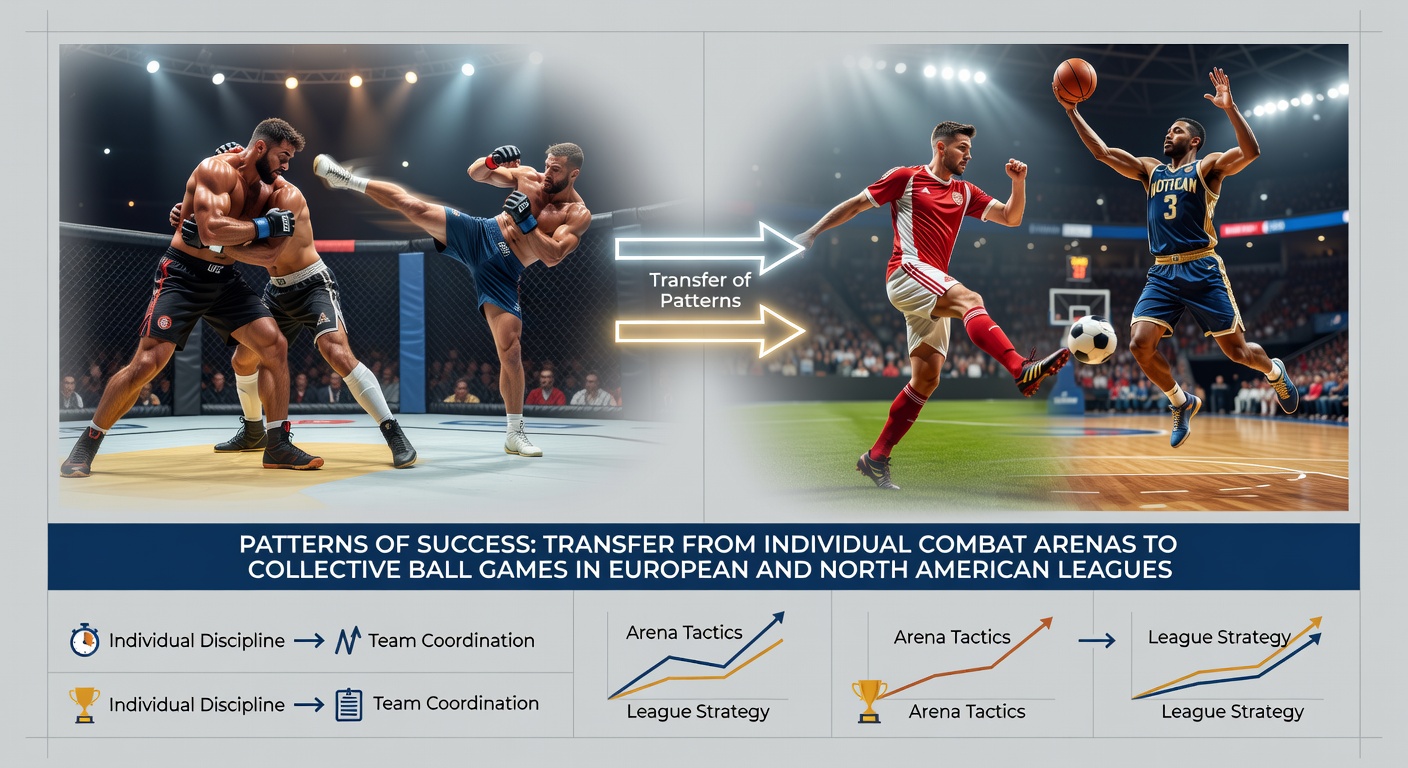
Patterns of Success Transfer from Individual Combat Arenas to Collective Ball Games in European and North American Leagues
Observers note that certain traits developed through individual combat disciplines such as boxing and mixed martial arts appear with growing frequency among athletes who later compete in team ball games across European soccer leagues and North American basketball, hockey, and football organizations. These transfers involve mental conditioning, spatial awareness, and recovery protocols that coaches adapt from one arena to another, with data from multiple seasons showing measurable impacts on performance metrics.
Physical preparation forms one core area of overlap. Combat athletes train for explosive power output in short bursts followed by rapid recovery, and trainers in collective sports apply similar periodization models to position players in soccer and basketball. European clubs in leagues tracked by UEFA have incorporated interval protocols originally refined in combat gyms, leading to documented improvements in high-intensity running distances during matches according to performance analysis reports released in early 2025.
Mental Resilience and Decision Making Under Pressure
Success patterns also emerge in psychological domains where combat experience builds tolerance for direct confrontation. Athletes who competed in boxing rings often demonstrate steadier performance in high-stakes moments such as penalty shootouts or late-game possessions, and researchers tracking North American professional leagues have recorded lower error rates among those with prior combat backgrounds. This transfer occurs because repeated exposure to one-on-one pressure situations conditions neural responses that carry over when the same individuals join team environments requiring split-second choices amid physical contact.
League data compiled through 2025 indicates that players with combat training histories maintain higher assist-to-turnover ratios in basketball during playoff rounds. The pattern holds across conferences in both the NBA and European basketball competitions, where mental rehearsal techniques borrowed from fight camps help athletes visualize defensive schemes and counterattacks.
Spatial Awareness and Tactical Adaptation
Combat disciplines emphasize precise positioning and reading an opponent’s movement, skills that translate directly into collective ball games. Soccer midfielders and hockey defensemen who trained in striking arts show enhanced ability to anticipate plays, and studies from Canadian sports institutes have quantified these advantages through video analysis of regular season games. In June 2026, updated scouting databases from North American leagues are expected to include new metrics that flag candidates with combat-derived spatial intelligence for specialized roles.
European soccer organizations have begun integrating footwork drills from boxing into youth academies, resulting in improved ball retention statistics among academy graduates who advance to senior squads. The approach relies on the fact that balance and reactive agility developed in individual combat transfer efficiently when athletes shift focus to team coordination.
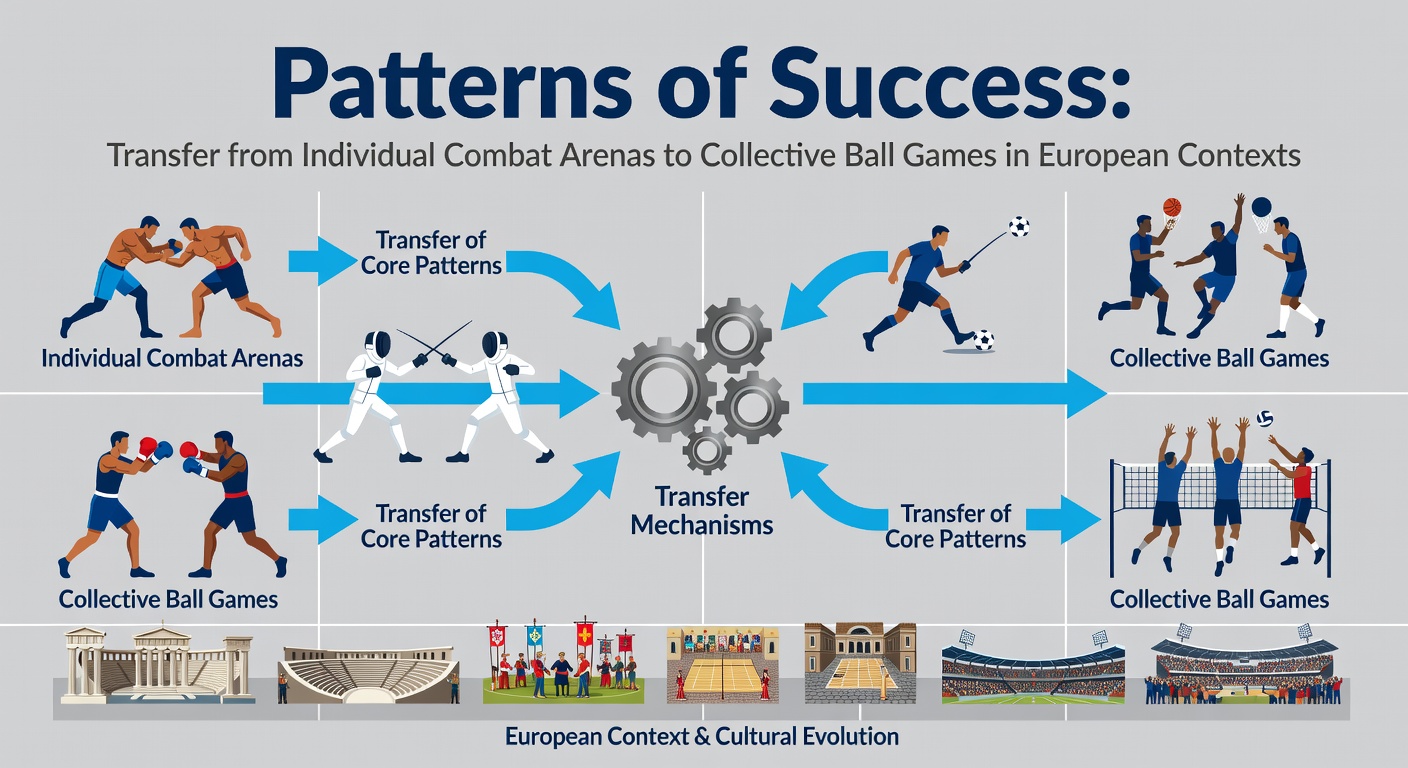
Recovery Protocols and Injury Management
Another documented transfer involves structured recovery methods. Combat athletes follow rigorous protocols for managing inflammation and restoring function after intense bouts, and medical staffs in ball game leagues apply parallel approaches to reduce soft tissue injuries. Data from Major League Soccer and NHL organizations reveal that teams adopting these methods report fewer missed games per season, particularly among players who previously competed in striking or grappling events.
North American football programs have similarly drawn on combat sport nutrition timing to optimize player availability during extended seasons. The pattern becomes evident when comparing injury logs before and after implementation, with consistent reductions in downtime across multiple franchises.
Case Examples Across Regions
Take one midfielder who entered professional soccer after a regional boxing career and recorded above-average duel win percentages in Bundesliga matches over three consecutive years. Similar trajectories appear among basketball guards in the NBA who credit early MMA training for improved defensive anticipation. Observers tracking these movements note that the transfer succeeds most reliably when coaches explicitly map combat-derived attributes onto position-specific demands rather than attempting broad application.
Additional instances surface in Canadian hockey leagues where enforcers with amateur fight experience later excel in penalty kill situations due to learned composure. European volleyball and handball teams have also experimented with selective recruitment from combat backgrounds, though results remain more variable depending on the sport’s contact level.
Emerging Research and League Trends
Academic groups at institutions in both continents continue to examine these cross-domain patterns through longitudinal studies. Figures released by sports science departments in 2025 highlight correlations between years spent in combat training and subsequent leadership indicators such as on-field communication frequency. The research emphasizes objective measures over anecdotal reports, focusing on quantifiable outputs like pass completion rates and defensive stops.
Scouting departments in North American leagues now routinely review combat sport footage when evaluating prospects for specialized positions, while European clubs maintain dedicated analysts who track how individual combat metrics predict team ball game contributions. These practices have expanded steadily since the early 2020s and show no sign of reversal as more data accumulates.
Conclusion
Patterns of success transfer from individual combat arenas to collective ball games manifest through targeted physical, mental, and tactical adaptations that leagues in Europe and North America have begun to formalize. Continued monitoring of performance data through 2026 and beyond will clarify the boundaries of these transfers while identifying new applications for coaches and medical staffs operating across both domains.