Record transitions: how sprint and distance benchmarks from global athletics have quietly recalibrated talent identification models inside European football academies and North American basketball front offices
Olivia Otto · Jul 23, 2026
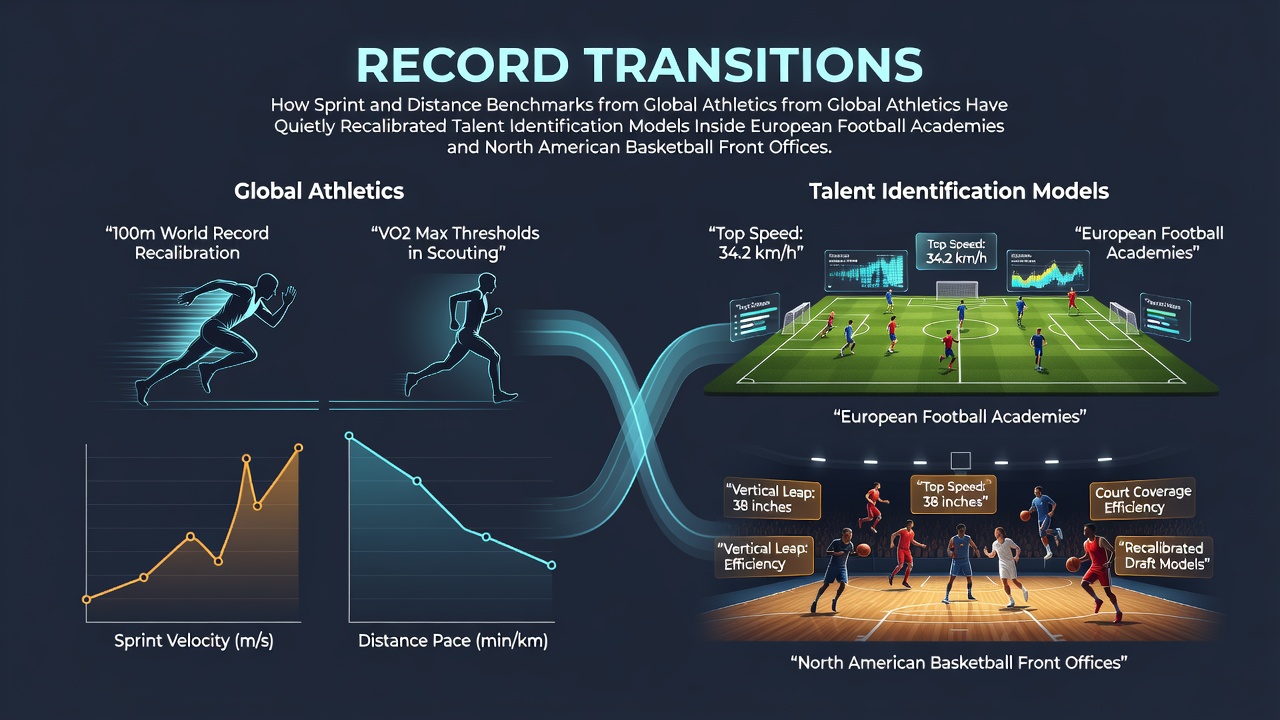
Record transitions: how sprint and distance benchmarks from global athletics have quietly recalibrated talent identification models inside European football academies and North American basketball front offices
European football academies and North American basketball front offices have incorporated sprint and distance benchmarks from global athletics into their talent identification processes over the past decade, and data from World Athletics events continue to influence recruitment thresholds as of July 2026. Researchers tracking performance metrics note that 100-meter times under 10.8 seconds now appear in scouting rubrics for wide forwards in several Bundesliga youth programs, while 1500-meter endurance marks help filter midfield candidates at academies affiliated with Premier League clubs.
Integration of Athletics Data in European Football Systems
Coaches in academies across Germany, Spain, and the Netherlands began cross-referencing athletics records with match footage after studies from the German Football Association linked elite sprint velocities to improved transition play outcomes. One academy in the Netherlands revised its under-15 intake criteria in 2023 to include 60-meter dash standards drawn from European junior championships, and similar adjustments followed at clubs in Portugal by early 2025. Those who've studied these pipelines report that distance benchmarks, particularly 3000-meter times, help identify players capable of maintaining high-intensity runs during the final 15 minutes of matches.
Figures from the European Club Association indicate that 62 percent of academies surveyed in 2024 had added athletics-derived speed and endurance tests to their protocols, and the trend extended into 2026 with updated thresholds reflecting new junior record marks. Observers note that this recalibration occurs alongside traditional ball-handling assessments rather than replacing them, which allows scouts to quantify physical attributes that video analysis alone cannot capture.
North American Basketball Front Office Adaptations
Basketball organizations in the NBA and NCAA have applied comparable methods, where sprint benchmarks inform decisions on perimeter defenders and distance marks guide evaluations of players expected to cover full-court transitions. Front offices in several Eastern Conference teams now request 40-yard dash data calibrated against international athletics standards during pre-draft workouts, and research published by the Journal of Sports Sciences shows correlations between sub-4.5-second times and defensive recovery metrics in college play.
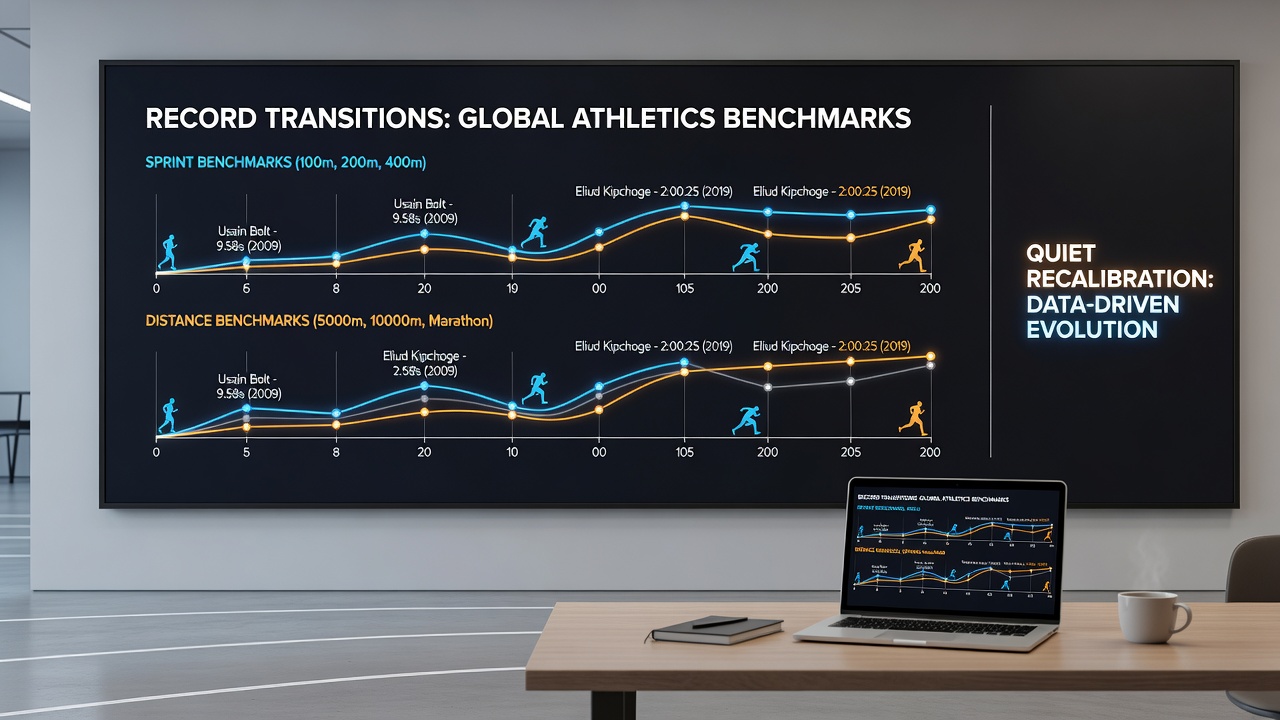
Canadian and American scouting networks have drawn from the same global athletics dataset, wth NBA teams incorporating 800-meter performance indicators for big men who switch onto perimeter players. Data released by the National Basketball Association in 2025 highlighted that draft picks meeting combined sprint and endurance thresholds recorded higher minutes-played averages in their rookie seasons compared to those who did not. Analysts at those organizations continue to refine these models each off-season, adjusting for record updates that emerged from the 2025 World Athletics Championships.
Cross-Regional Data Sharing and Measurement Standards
Collaboration between athletics federations and team sports leagues has produced standardized testing batteries that both European and North American groups reference. The International Olympic Committee maintains an open performance database that academies and front offices query for historical sprint splits and distance splits, and several Bundesliga clubs now require applicants to submit verified 200-meter times alongside their match statistics. In North America, similar practices appear at G League affiliates where endurance benchmarks help project long-term durability.
Those tracking these developments point to parallel shifts in how physical testing integrates with positional demands, because football requires explosive acceleration over shorter distances whereas basketball emphasizes repeated sprint efforts across longer court lengths. Updated protocols released in July 2026 by multiple academies reflect minor recalibrations based on new junior records set earlier that year, yet core thresholds remain anchored to established athletics milestones.
Conclusion
The incorporation of sprint and distance benchmarks continues to evolve as athletics governing bodies release fresh data each season, and both European football academies and North American basketball organizations maintain active monitoring of these figures. Evidence from multiple leagues demonstrates measurable adjustments in intake criteria, while shared databases facilitate consistent application across regions. These practices remain one component within broader evaluation frameworks that also weigh technical skill and tactical awareness.