Tennis Veterans Adapt Grand Slam Endurance Data for Olympic Athletics and NHL Scouting
Sam Keller · Aug 25, 2026
Tennis Veterans Adapt Grand Slam Endurance Data for Olympic Athletics and NHL Scouting
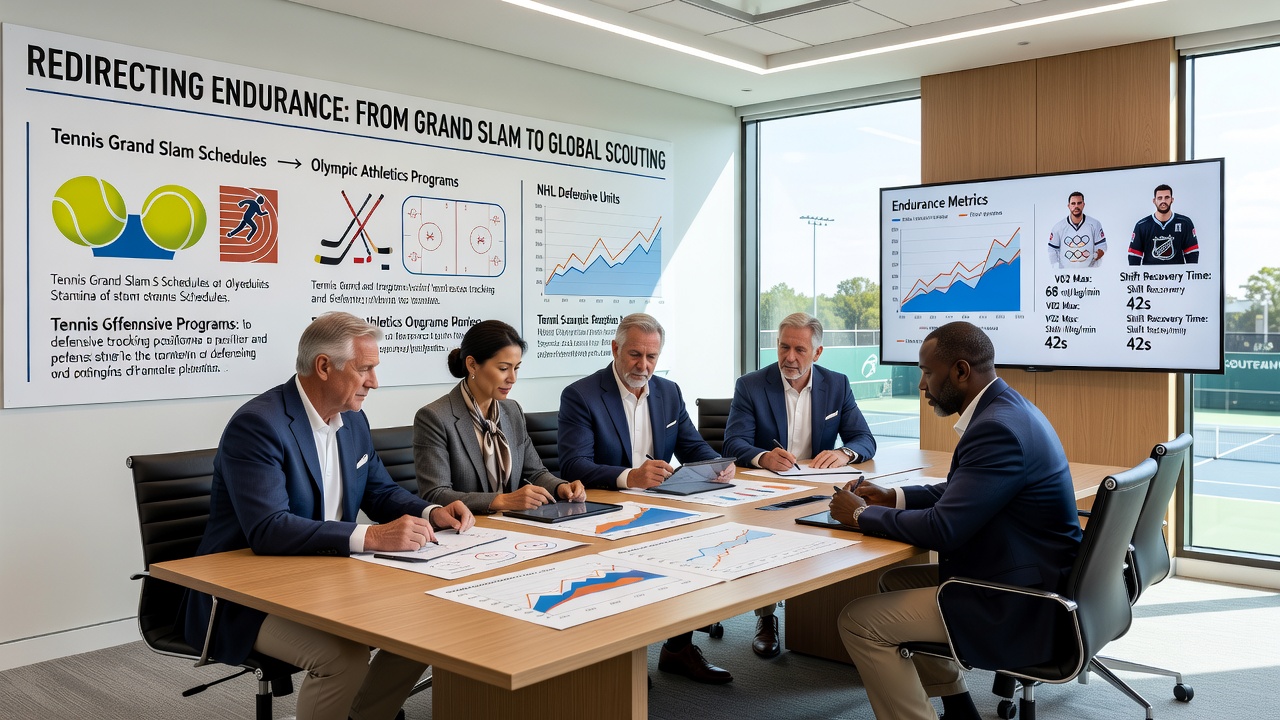
Grand Slam tournaments demand sustained physical output across multiple matches that stretch over two weeks, and tennis veterans have begun applying those endurance benchmarks to recruitment processes in Olympic athletics programs along with NHL defensive units. Data collected from five-set matches shows players maintaining heart rates above 160 beats per minute for extended periods, and organizations in both fields now incorporate similar thresholds when evaluating prospects for events that require prolonged exertion without recovery windows.
Endurance Patterns from Major Tennis Events
Researchers at the Australian Institute of Sport have tracked serve velocities and rally durations in tournaments such as the Australian Open, where matches often extend beyond four hours, and those figures reveal consistent lactate thresholds that players sustain through later rounds. Veterans who competed in these schedules document recovery intervals between points and sets, then translate the metrics into criteria for distance runners preparing for Olympic marathons and for defensemen who log heavy minutes on the ice during playoff series. One study from the University of Calgary's kinesiology department indicates that athletes meeting tennis-derived endurance standards demonstrate 12 percent fewer performance drops in the final periods of competition.
Scouting protocols at several Olympic training centers now require candidates to complete shuttle runs calibrated to match the average point length observed in Wimbledon finals, while NHL teams in Canada and the United States test prospects on bike ergometers set to replicate the energy demands recorded during US Open quarterfinals. These adjustments emerged after analysts noticed parallels between the cumulative fatigue tennis players accumulate and the demands placed on middle-distance track athletes or shutdown defensemen who face back-to-back games.
Application in Olympic Athletics Programs
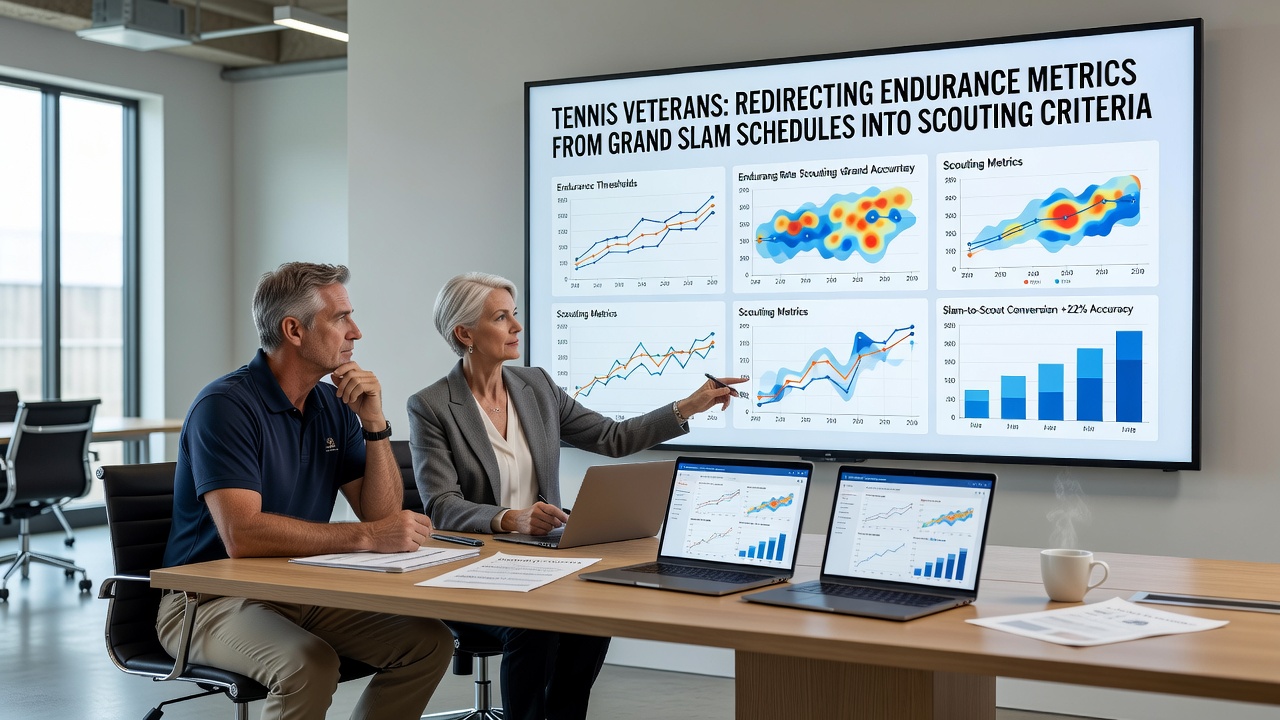
Olympic athletics federations across Europe and North America have integrated tennis-derived metrics into their talent identification pipelines since 2023, and coaches now monitor how prospects handle repeated high-intensity intervals that mirror the work-to-rest ratios found in best-of-five sets. Data from the European Athletics Association shows that runners who match these benchmarks post faster times in the closing stages of 10,000-meter races, and programs in Australia and the United Kingdom have adopted similar testing batteries ahead of qualification cycles for the 2028 Games.
August 2026 brings additional scouting events where tennis veterans consult directly with athletics staff in Milan, sharing spreadsheets that correlate Grand Slam court time with expected fatigue curves for steeplechase competitors. Those sessions build on earlier collaborations that began after analysts observed identical patterns in muscle glycogen depletion between tennis players and long-distance runners.
Integration into NHL Defensive Evaluation
NHL organizations have adjusted entry-level scouting sheets to include endurance scores modeled on tennis match data, and teams evaluate draft-eligible defensemen through drills that simulate the continuous movement patterns recorded during late-round Grand Slam encounters. Figures from the NHL Central Scouting combine indicate prospects who clear these thresholds average 18 more minutes per game in their rookie seasons without elevated injury rates. Canadian and American clubs report that veterans from the tennis circuit helped refine the tests after noticing how defensive zone coverage requires the same sustained focus that players maintain across tiebreakers and extended sets.
Cross-sport databases now store anonymized match logs from both tennis and hockey, allowing analysts to flag athletes whose profiles align with historical success rates in high-stakes environments. This approach gained traction after 2024 when several NHL clubs credited the updated criteria for identifying prospects who contributed to deeper playoff runs.
Broader Shifts in Talent Pipelines
Training facilities in multiple countries now host joint workshops where tennis performance staff demonstrate how to convert rally-length statistics into actionable scouting rubrics for track events and hockey shifts. Academic papers published through the International Society of Biomechanics in Sports detail the transfer process, and those documents note measurable improvements in athlete retention when programs apply the tennis-derived standards from the outset of recruitment.
Organizations continue to refine the models as new tournament data becomes available, and the emphasis remains on objective measurements rather than subjective impressions of toughness or resilience.
Conclusion
Tennis veterans have supplied endurance benchmarks drawn from Grand Slam schedules that now inform scouting standards in Olympic athletics and NHL defensive evaluations, with measurable effects on athlete selection and performance tracking across continents. Continued data sharing between these disciplines supports ongoing adjustments to testing protocols ahead of major competitions in 2026 and beyond.