Youth Academies in Cricket Building Pathways for International Competitors Through Targeted Skill Development Programs
Otto Günther · Aug 13, 2026
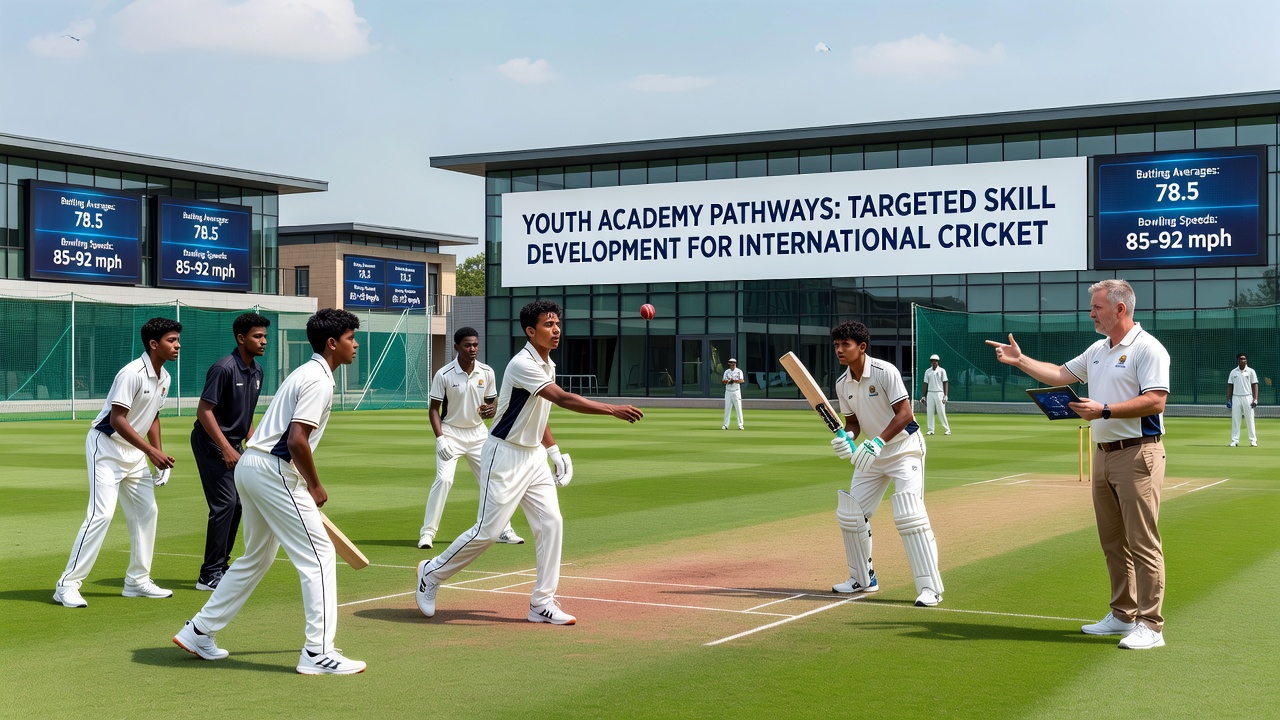
Youth Academies in Cricket Building Pathways for International Competitors Through Targeted Skill Development Programs
Youth academies in cricket operate across multiple continents and they focus on structured environments where players aged 12 to 19 receive specialized coaching in batting, bowling, fielding, and tactical awareness while data from national boards shows consistent progression rates into senior domestic squads. These programs integrate physical conditioning with technical repetition, and they align age-group competitions with international calendars so participants build match experience under pressure. Observers note that academies in India, Australia, England, and South Africa maintain partnerships with professional franchises, which allows selected talents to transition smoothly into higher levels of competition.
Core Components of Targeted Skill Development
Coaches at these academies break down skills into measurable components such as bat speed, release angles for spinners, and footwork patterns for fast bowlers, while video analysis tools track improvements over weekly sessions. Participants complete fitness modules that emphasize core stability, shoulder mobility, and endurance runs calibrated to T20 or Test match demands, and nutritionists adjust meal plans based on body composition data collected during quarterly assessments. Academies also incorporate mental skills training through breathing exercises and visualization routines, which research from sports science departments at institutions like the University of Queensland indicates can reduce performance anxiety in high-stakes junior tournaments.
One study tracked cohorts from the National Cricket Academy in India and found that players who completed three-year cycles showed 35 percent higher selection rates into state teams compared with peers outside structured programs, according to reports compiled by the Board of Control for Cricket in India. Similar patterns appear in England where the ECB's county pathway system routes U15 and U17 graduates into regional performance centers, and those centers feed directly into the England U19 squad that competes in ICC youth World Cups.
Pathway Structures and International Transitions
Pathways typically follow a tiered model beginning with district trials, advancing to state or county academies, and culminating in national development squads, while scouts attend age-group matches to identify players who demonstrate adaptability across formats. In August 2026 several programs will expand their intake to include specialized spin bowling modules developed in collaboration with former international players, and these additions aim to address documented shortages in wrist-spin resources across Test-playing nations. Academies maintain performance databases that record metrics like economy rates in net sessions and strike rates during simulated matches, which selectors cross-reference when choosing squads for overseas tours.
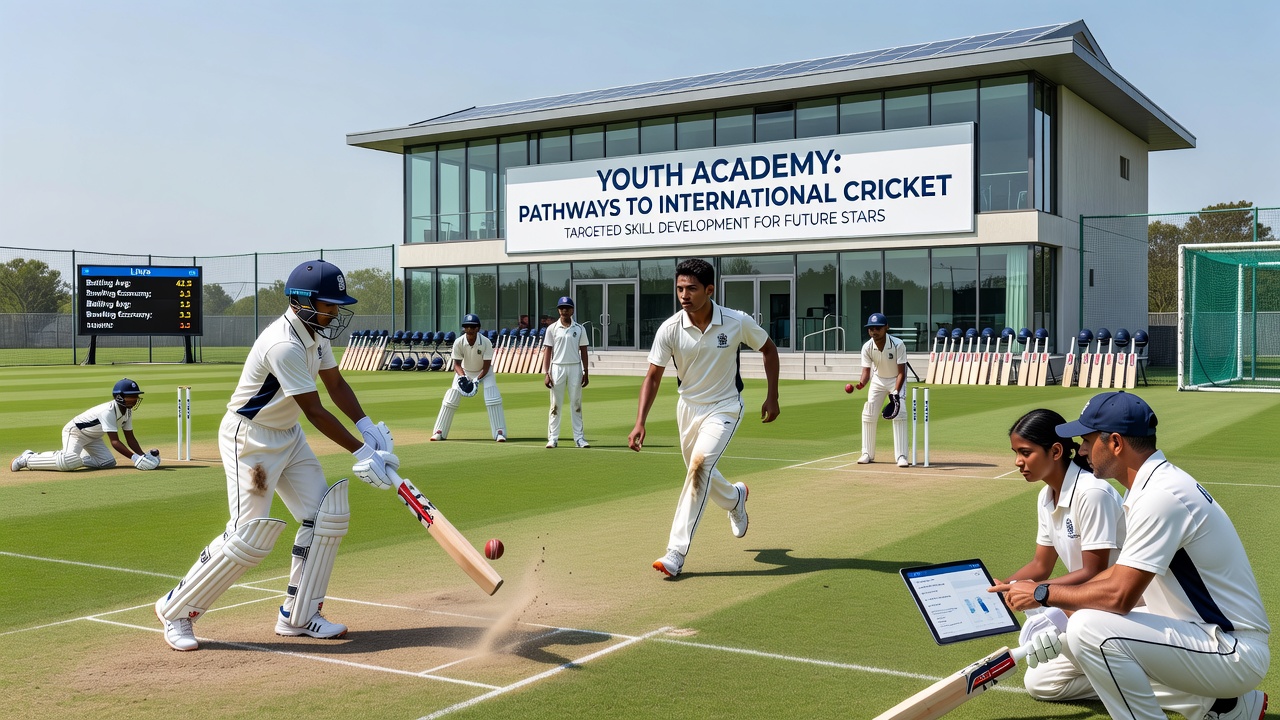
International competitors often credit early academy exposure for their ability to handle pace and swing variations, and case examples include players who moved from regional academies in South Africa to franchise leagues before earning national caps. Data compiled by Cricket Australia reveals that 62 percent of players who debuted for the senior team between 2018 and 2024 had participated in at least one national youth academy program, highlighting the role these institutions play in talent identification. Academies in smaller cricketing nations such as Ireland and the Netherlands have adopted similar models through ICC development grants, which fund coaching education and facility upgrades that mirror established pathways in full-member countries.
Regional Variations and Collaborative Initiatives
Indian academies emphasize high-volume net practice combined with video feedback loops, whereas Australian setups prioritize match simulation and workload management to prevent overuse injuries, and English programs blend both approaches within their emerging player programs. Collaborative exchanges occur when academies host joint camps, allowing players from different regions to face unfamiliar bowling styles and adapt their techniques accordingly. These initiatives receive support from the International Cricket Council, which publishes annual talent pathway guidelines that member boards adapt to local conditions and resources.
Additional training elements include fielding drills focused on reaction times and throwing accuracy, while wicket-keeping specialists work on glove positioning and stumping footwork measured through timing systems. Academies schedule regular intra-squad matches that replicate international conditions, including day-night fixtures with pink balls, so players develop familiarity before senior debuts. Researchers at Loughborough University have examined these structured environments and documented correlations between academy completion and reduced adaptation periods when players move to professional contracts.
Conclusion
Youth academies continue to refine their methods through performance tracking and cross-border knowledge sharing, which sustains a steady supply of players equipped for international demands. The integration of skill-specific modules with competitive opportunities creates measurable routes from junior ranks to senior squads across multiple cricket-playing nations. As programs scheduled for expansion in August 2026 come online, further data will clarify how targeted interventions translate into sustained success at the highest levels of the sport.